
Climate Sciences Core

Embedding Molecular Biology in Ecosystem Research
Forests in the western United States are facing more frequent and severe fires and droughts. These problems are changing how trees grow and how tiny organisms in the soil live. Scientists know that fire and drought affect how trees take in carbon, use water, and distribute nutrients. They also know these events change how microbes in the soil function. However, we don’t fully understand how trees and microbes work together to deal with these stresses. The EMBER Institute wants to study this by looking at how things work at a very small scale (like inside cells) all the way up to how entire forests function.
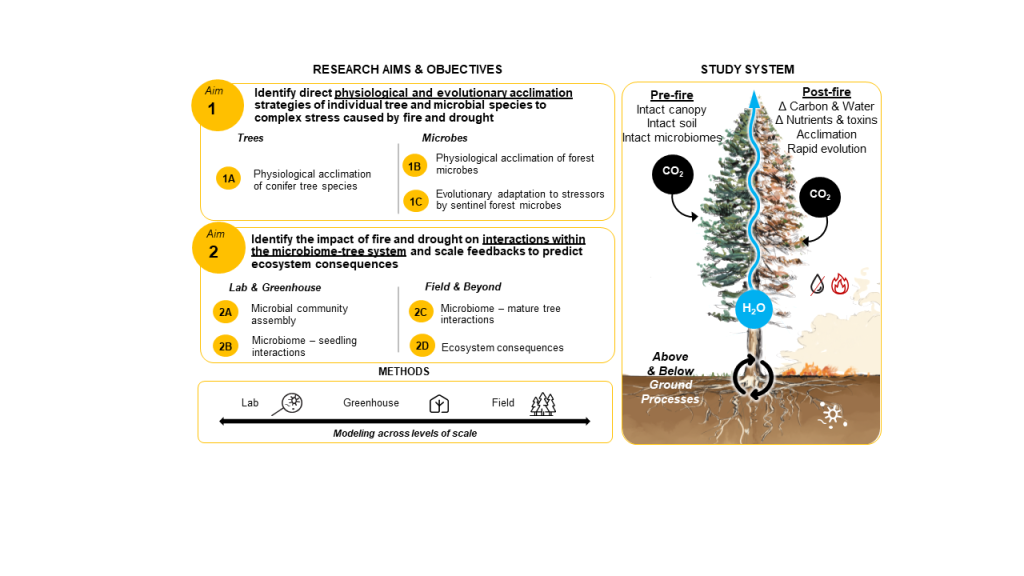
Temperate conifer forests, like those in western North America, are important for storing carbon and helping reduce climate change. However, these forests are facing challenges from severe drought and more frequent, intense wildfires. These problems threaten the forests’ ability to store carbon, provide homes for animals, and supply wood for building. Scientists are working to understand how trees and tiny organisms in the soil respond to these stresses. By studying this, they hope to predict how forests will cope with future droughts and fires. The EMBER Institute is leading this research, looking at how living things in the forest interact with each other and their environment during times of stress. This knowledge will help us better protect and manage these valuable forests.
The EMBER team plans to do experiments in a forest in Idaho. They’ll study two types of pine trees that are common in western forests and three types of microbes found in the soil. By studying these organisms closely, they hope to figure out how forests might survive future fires and droughts. They also want to create computer models that can predict how much carbon a forest can store under different conditions. This research is important because it will help us understand how to better protect our forests and manage them in a changing climate.
EMBER integrates laboratory, greenhouse, field, and modeling experiments to unravel complex linkages within and between biological communities to reveal rules (at the community level) and functional traits (at the organismal level) that predict ecosystem responses to compounding stress. Stressors include changes to water and nutrient availability, toxin release, reduced leaf and root area, and risk of carbon starvation.
EMBER Team
Tara Hudiburg
Director, Professor, Co-PI
Winslow Hansen
Ecologist
Will Wieder
Project Scientist
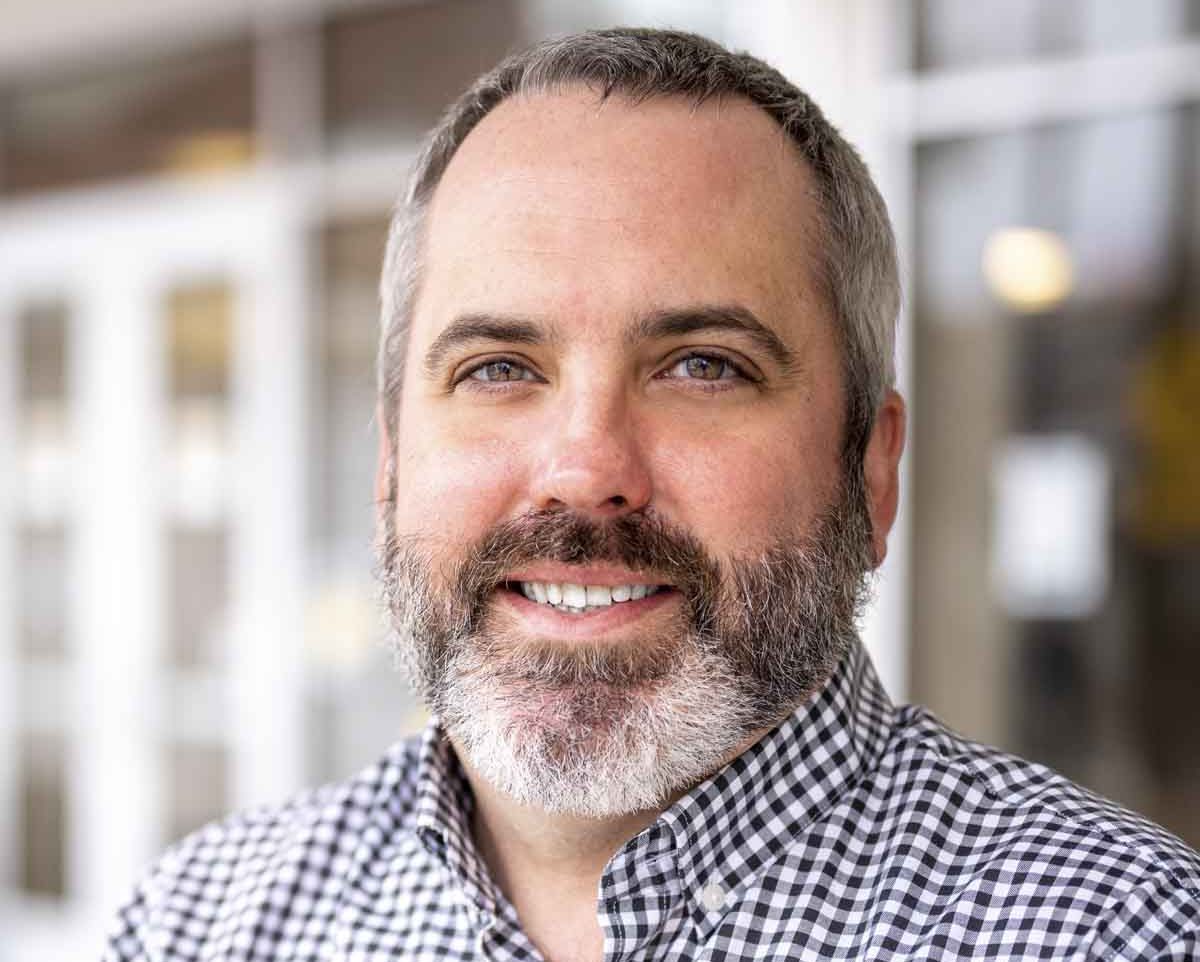
Michael Strickland
Associate Professor

Parker Mullins
|Senior Director for Clean Energy
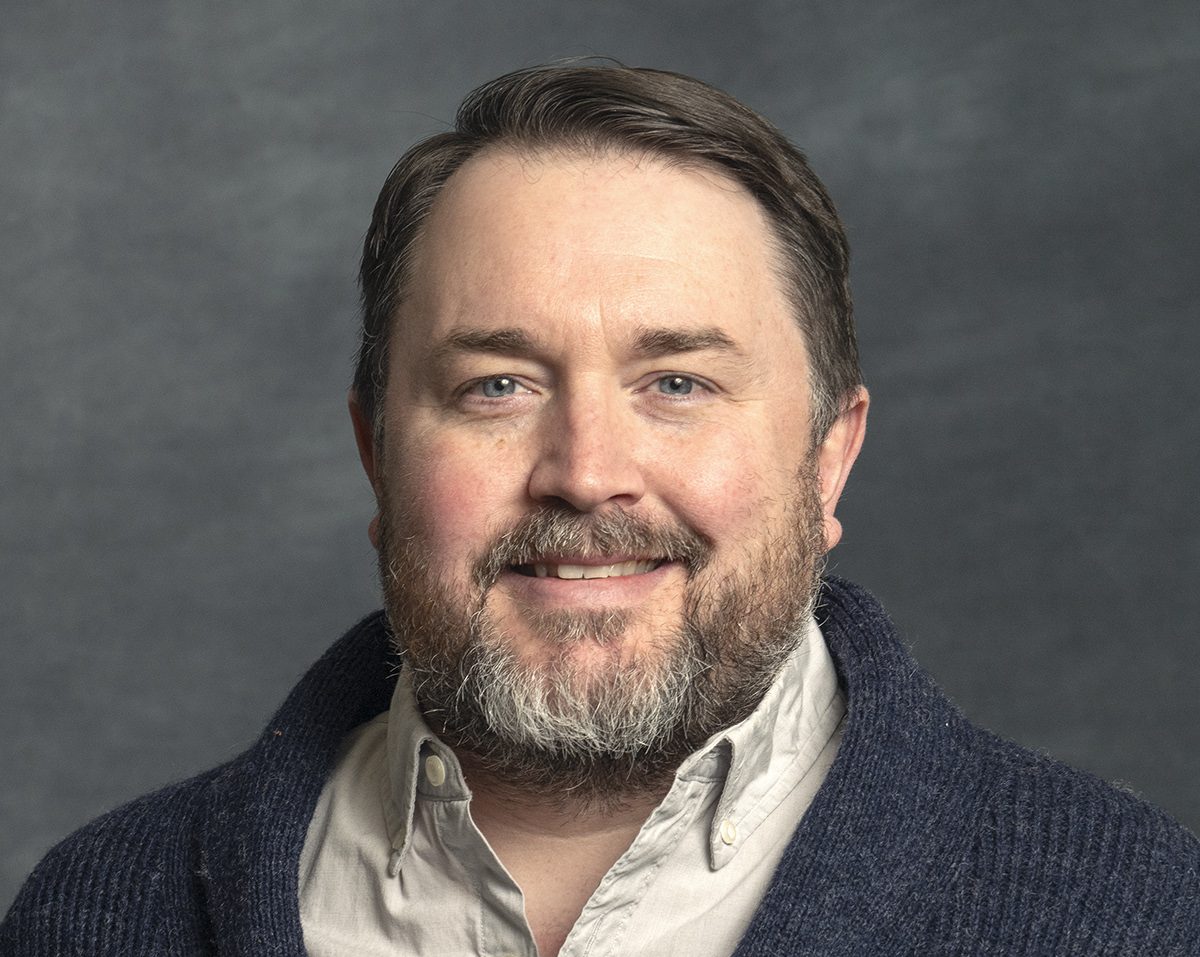
Lon Chubiz
Microbiologist
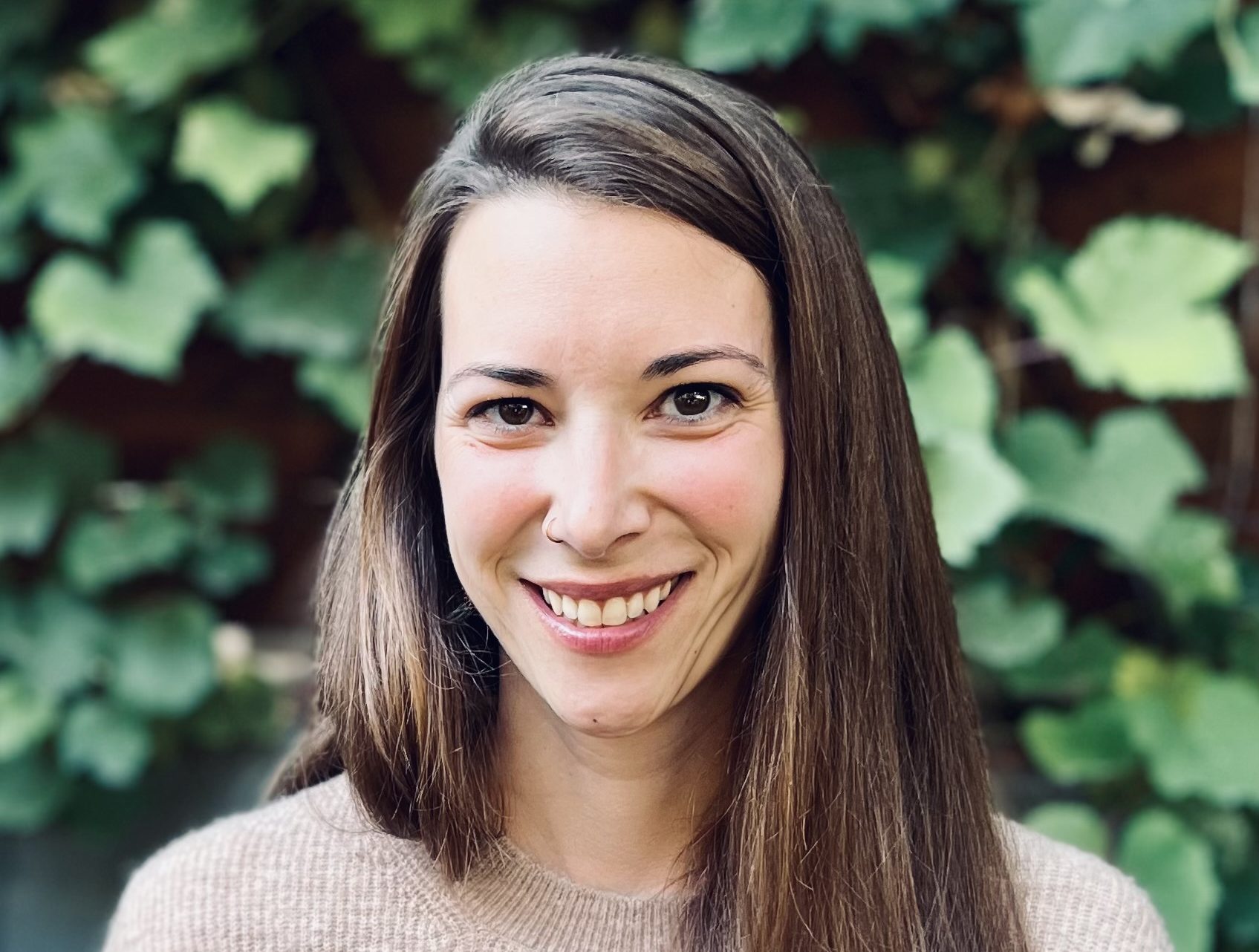
Laurel Lynch
Assistant Professor
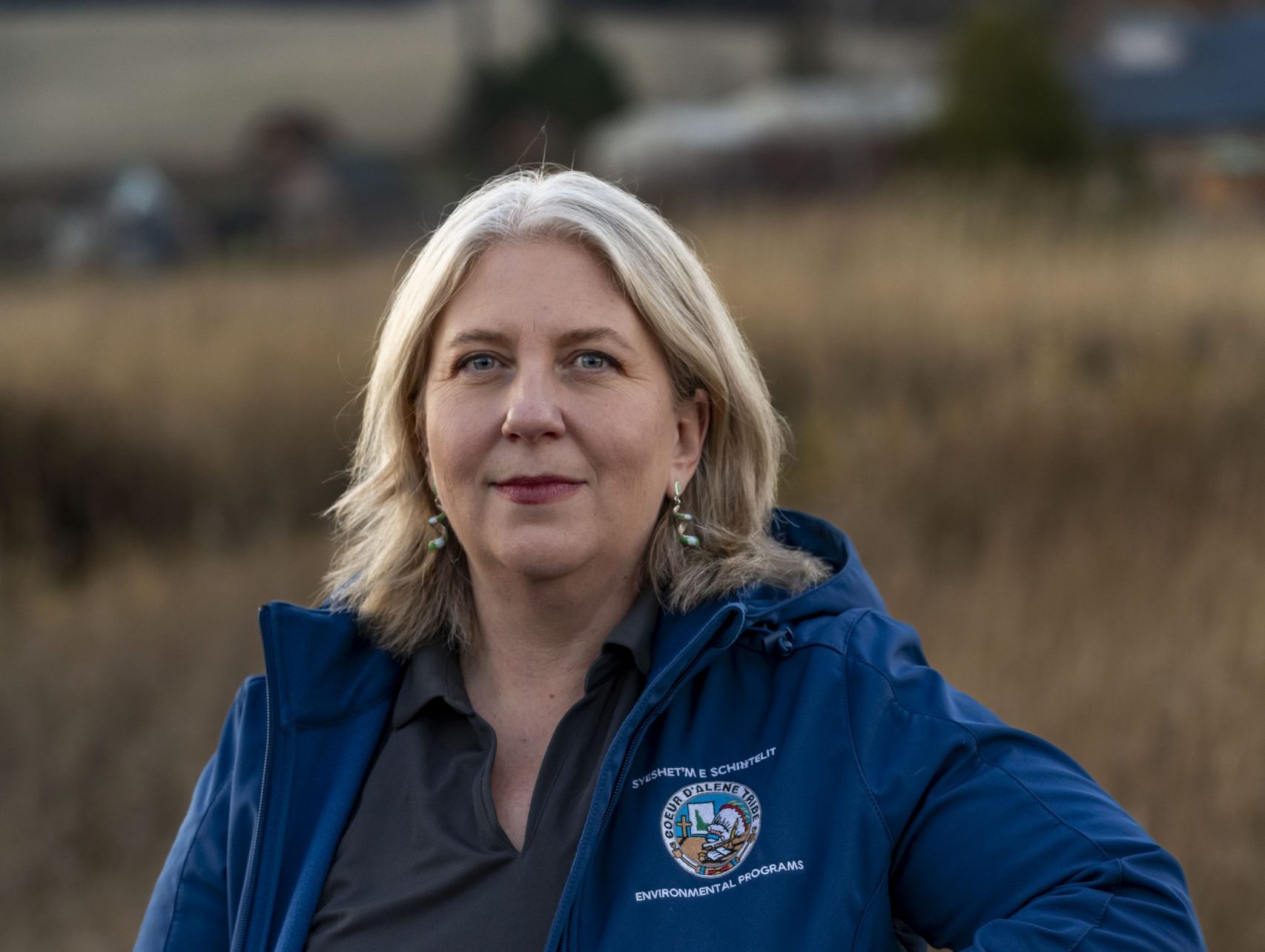
Laura Laumatia
|Environmental Programs Manager
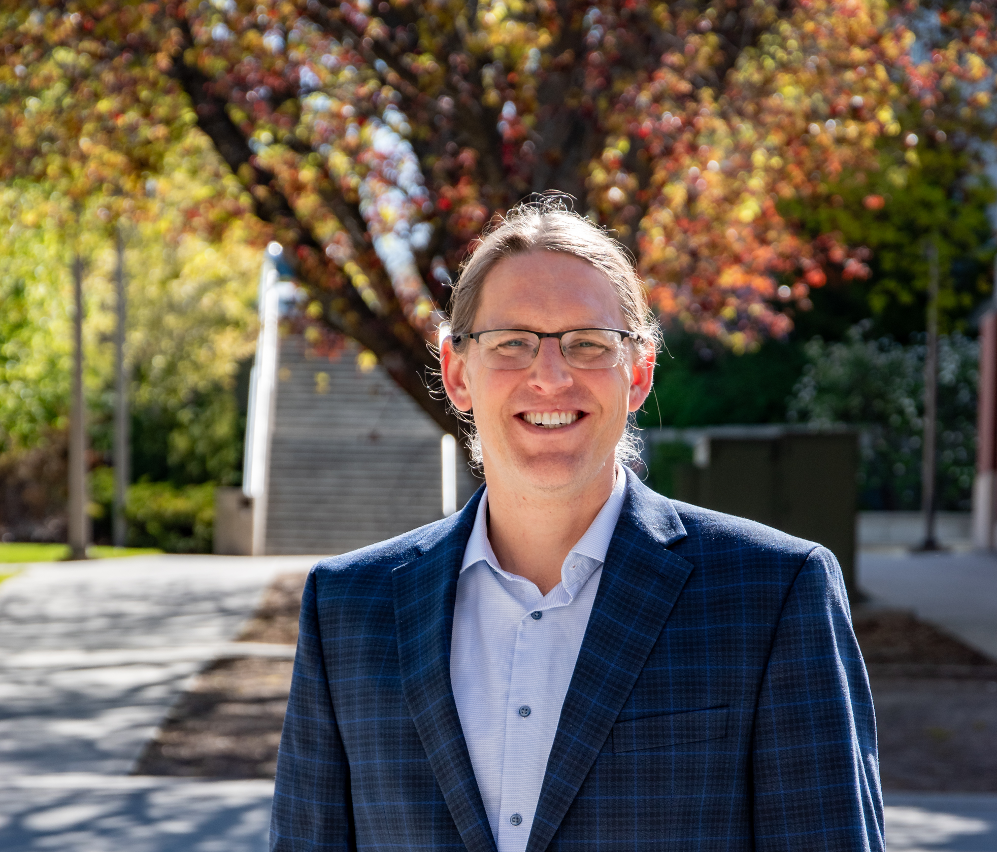
Kristopher Waynant
Assistant Professor
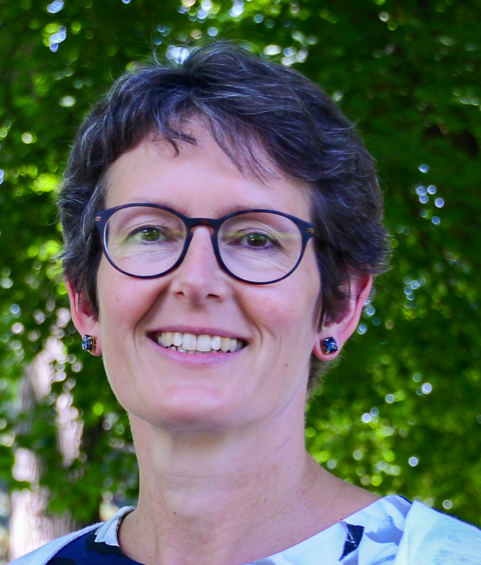
Eva Top
Professor Emerita
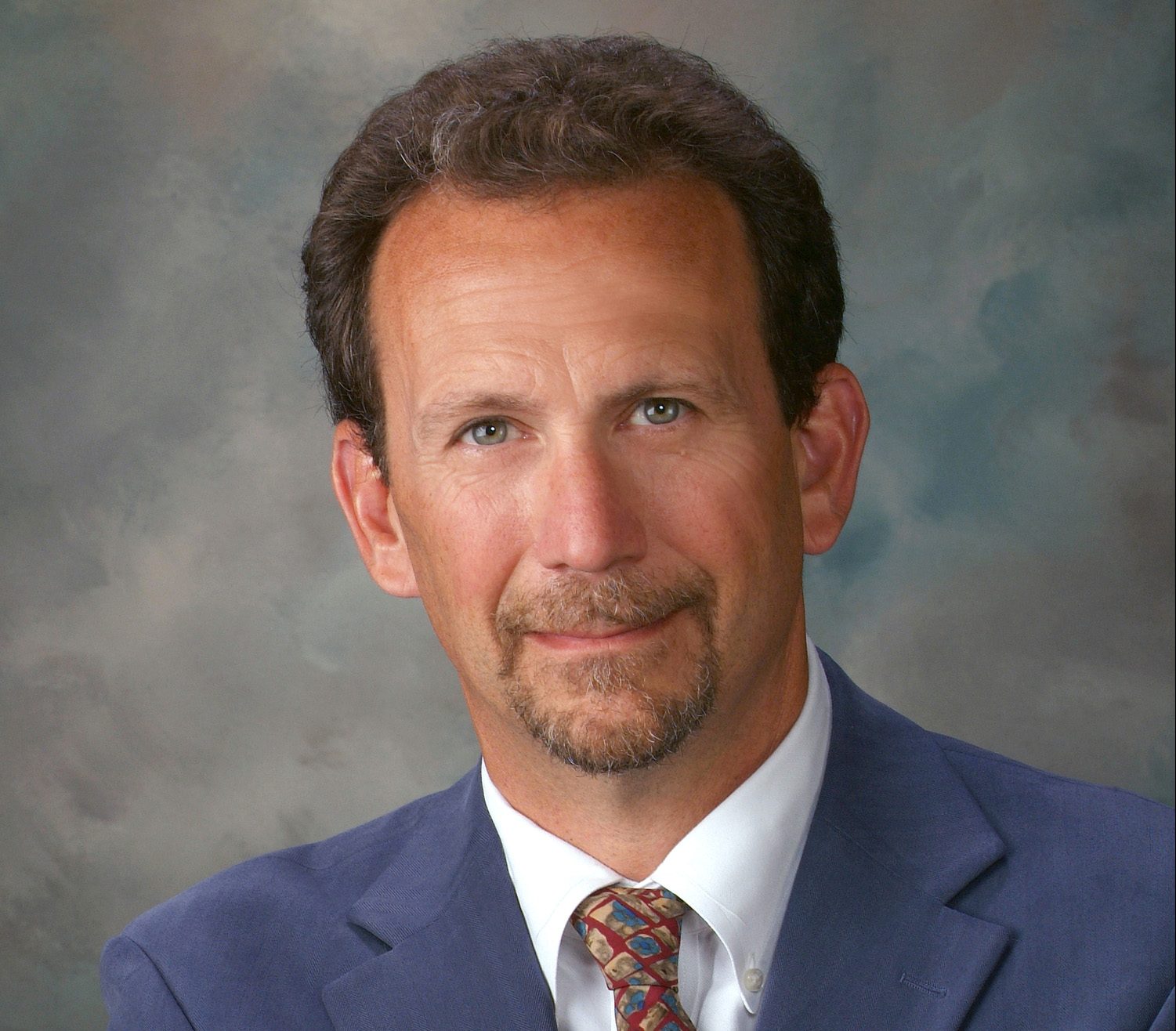
Evan Delucia
Professor Emeritus
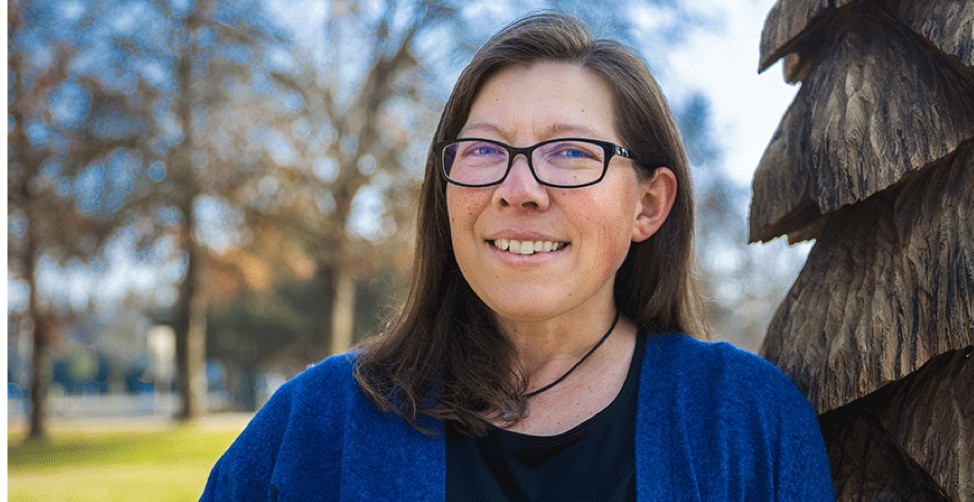
Crystal Kolden
Associate Professor
Chris Marx
Professor, Co-PI